
It’s that time of the week for Bend Not Break Yoga‘s Beginners Guide to Yoga series!
If you’ve ever been to a yoga class, you have probably done one, if not all, of these poses at some point during your practice.
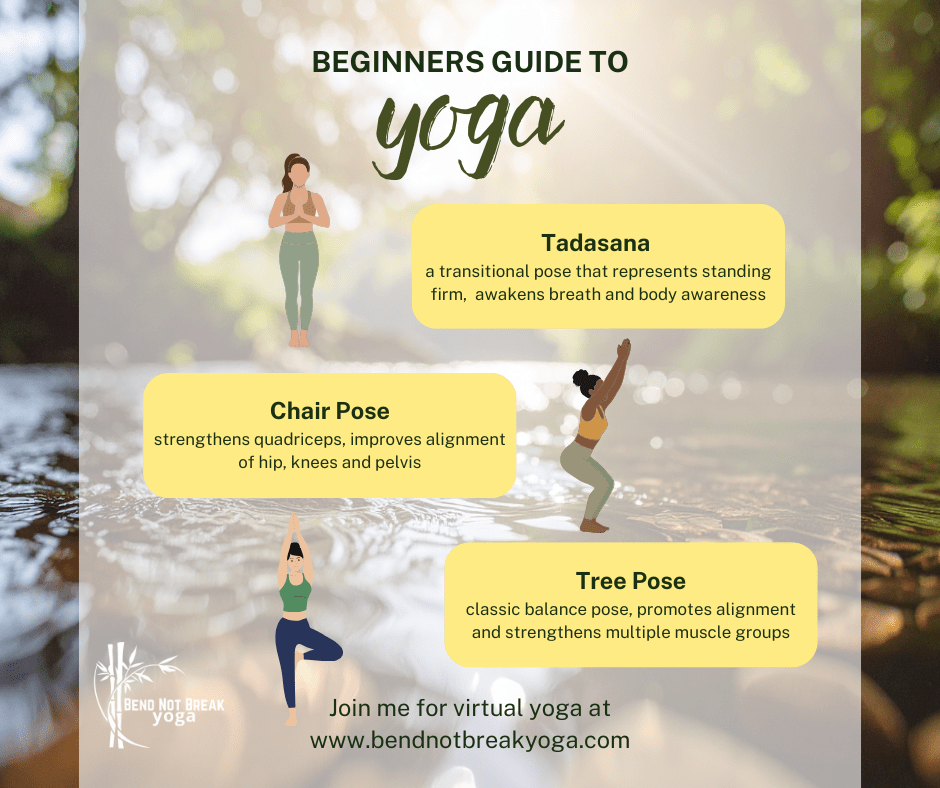
Standing poses are foundational to a yoga practice to build strength, balance, and alignment which prepare the body for more advanced asanas. They help you train proprioception (your body’s awareness in space) and require mindful attention to your breath and body, which slows a busy mind.
So let’s break down these common standing poses!
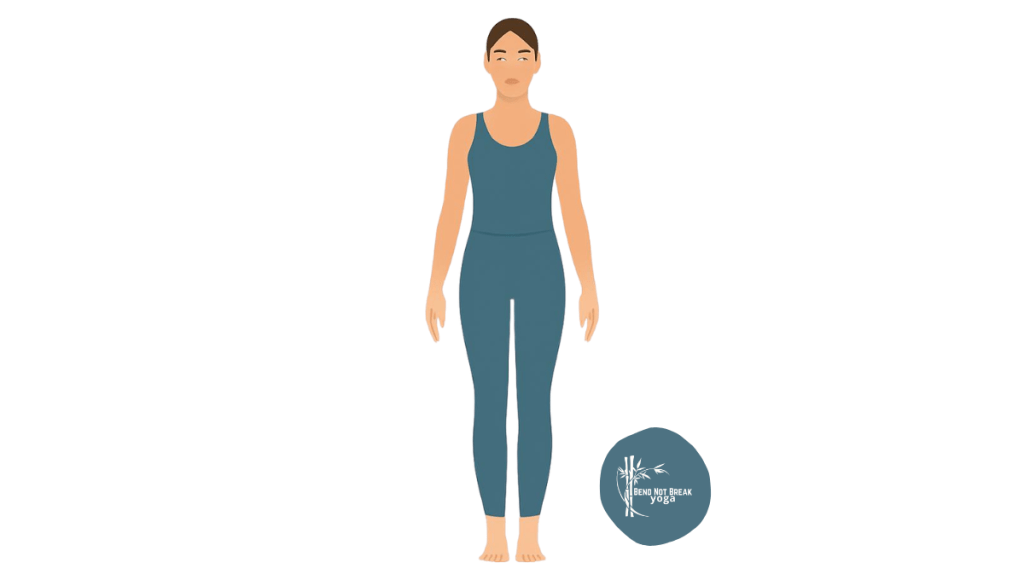
1. Mountain Pose – Tadasana
Derived from Sanskrit: tada (mountain), asana (pose).
How To: Stand with your feet together or hip-width apart. Root down through all four corners of your feet, engage your leg muscles, lengthen your spine, and relax your shoulders. Tadasana is an active pose, with your entire body engaged. Firm your quadriceps and draw them upward to gently lift your kneecaps while also rotating your inner thighs slightly inward and back.
What Not To Do: Do not lean forward onto your toes or rock back too far into your heels, keep your weight evenly distributed through your feet. Don’t let your pelvis tip which will make your back arch.
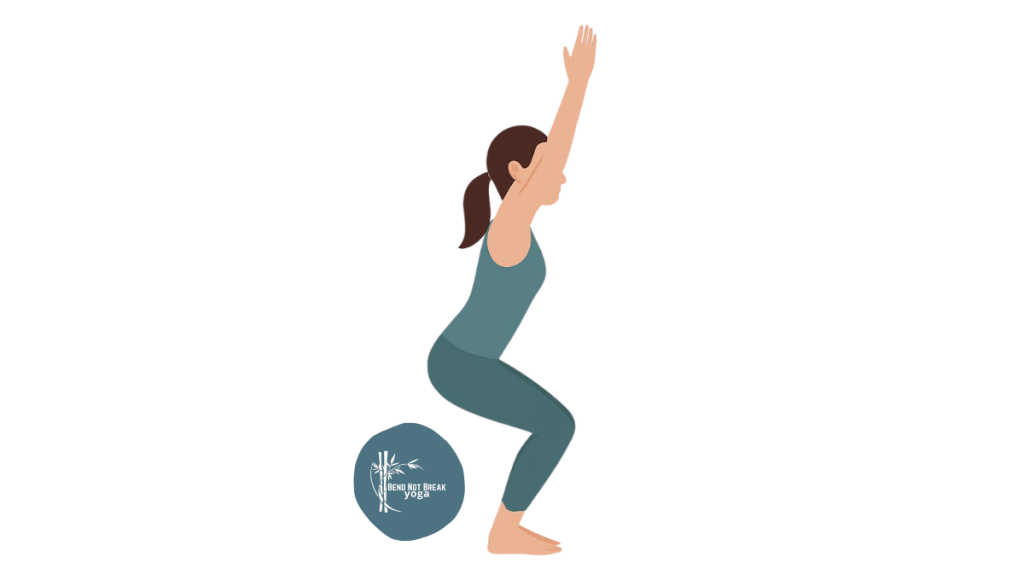
2. Chair Pose – Utkatasana
Derived from Sanskrit: Utkat (fierce) and asana (pose/posture).
How To: Starting in Tadasana (Mountain Pose), inhale rise your hands up, exhale and bend your knees deeply, sending your hips back and down. Ensure your knees do not extend past your toes so you can still see them when looking down. Lengthen your tailbone toward the floor and draw your belly button in and up.
What NOT To Do: Do not let your back arch, or your knees to track far over your toes, and do not let your weight fall into your toes, rather keep the weight in your heels. Do not forget to breathe!
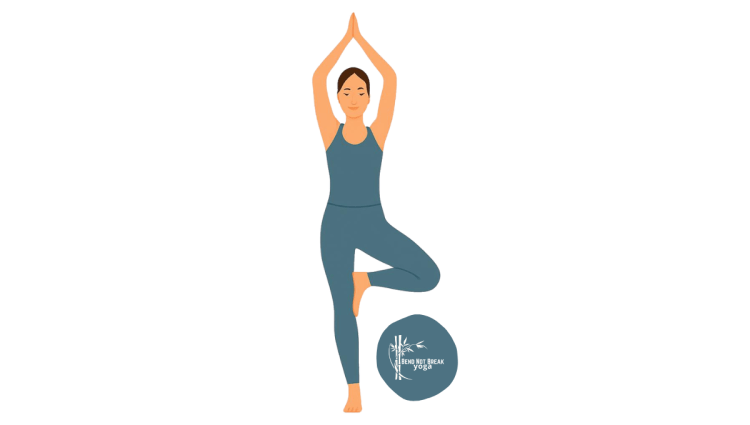
3. Tree Pose – Vrksasana
Derived from Sanskrit: Vrks (tree), asana (pose).
How To: Starting in Tadasana–stand tall, shift your weight to one foot, and place the sole of the opposite foot on your inner thigh or calf. Engage your core, press your foot into your leg, and reach your arms up. To help your balance, find a spot to fix your gaze.
What Not To Do: Don’t place the sole of your foot directly against the knee, which causes joint stress. Remember to bring your standing hip in, don’t allow it to track out to the side.
I hope this pose breakdown helps you feel confident to hit the mat and practice! If you’d like more pose breakdowns and beginner friendly yoga tips, please subscribe to my blog below.
Next week for the beginners yoga series–we’re going to discuss yoga history and philosophy!
 Bend Not Break Yoga